Hi, I am a student in Social Science in Psychology. This is my first semester in this program. I am making this glossary because it could help students to understand many of the terms used in the psychology field, because there's a lot of them and some are hard to memorize or are complicated to understand.
Biology
noun
The study of living organisms, divided into many specialized fields that cover their morphology, physiology, anatomy, behavior, origin, and distribution.
Example: Differences were still thought to be grounded in BIOLOGY.
fr: Biologie
Brain
noun
An organ of soft nervous tissue contained in the skull of vertebrates, functioning as the coordinating center of sensation and intellectual and nervous activity.
Example: The BRAIN is always the part of the nervous system which as been extensively investigated for large mammals.
fr: Cerveau
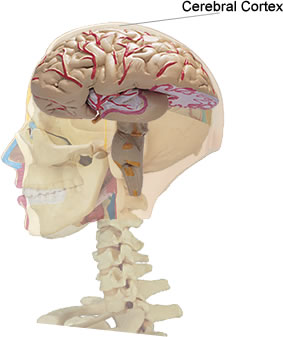
Cerebral Cortex
noun
A sheet of neural tissue that is outermost to the cerebrum of the mammalian brain.
Example: Which would decrease the efficiency of the CEREBRAL CORTEX.
fr: Cortex cérébral
Dopamine
noun
A neuromodulatory molecule that plays several important roles in cells. It is an organic chemical of the catecholamine and phenethylamine families. Dopamine constitutes about 80% of the catecholamine content in the brain.
Example: Furthermore, it is possible that serotonin and DOPAMINE (D2) receptors are similar enough.
fr: Dopamine
Dream
noun
A series of thoughts, images, and sensations occurring in a person's mind during sleep.
Example: It was a DREAM dictated both by politics and by affection, own descent into its unconscious.
fr: Rêve
Endorphin
noun
Any of a group of hormones secreted within the brain and nervous system and having a number of physiological functions. They are peptides which activate the body's opiate receptors, causing an analgesic effect.
Example: Neurons containing ENDORPHIN receptors are numerous in the VTA.
fr: Endorphine
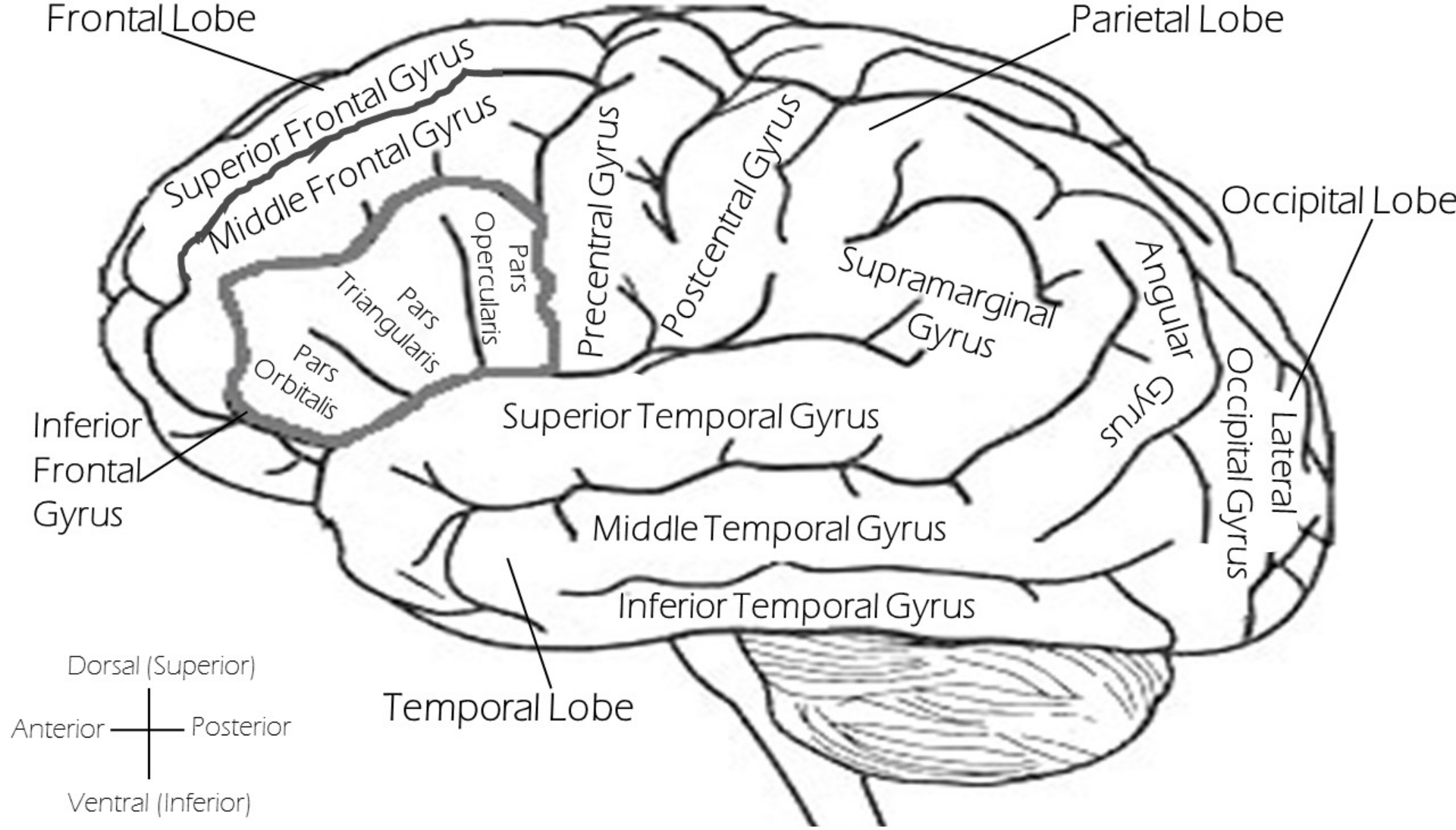
Front lob
noun
Each of the paired lobes of the brain lying immediately behind the forehead, including areas concerned with behavior, learning, personality, and voluntary movement.
Example: no exemple available
fr: lob frontal
Habit
noun
A settled or regular tendency or practice, especially one that is hard to give up.
Example: A lack of physical activity, altered eating HABIT and increased sedentary.
fr: Habitude
Hypothesis
noun
A supposition or proposed explanation made on the basis of limited evidence as a starting point for further investigation.
Example: Such a HYPOTHESIS attempts to describe a whole person, and other people.
fr: Hypothèse
Mental disease
noun
Health conditions involving changes in emotion, thinking or behavior (or a combination of these).
Example: In its enjoyment of itself through physical or MENTAL DISEASE or by physical or social circumstances.
fr: La maladie mentale
Nervous system
noun
The network of nerve cells and fibers which transmits nerve impulses between parts of the body.
Example: The NERVOUS SYSTEM is active before it is reactive.
fr: Système nerveux
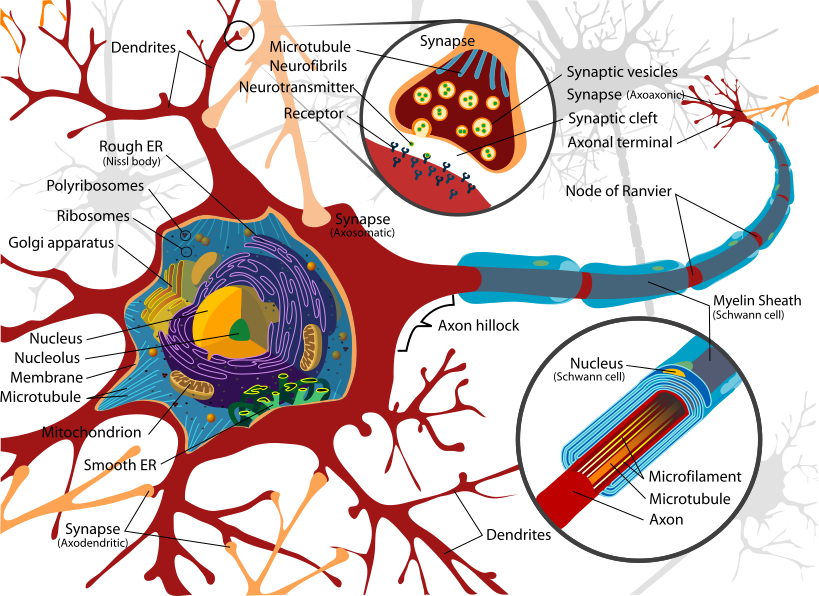
Neuron
noun
The fundamental units of the brain and nervous system, the cells responsible for receiving sensory input from the external world, for sending motor commands to our muscles, and for transforming and relaying the electrical signals at every step in between.
Example: Transfer of impulses from NEURON to neuron takes place at junctions between science tools.
fr: Neurone
Neurotransmitter
noun
A chemical substance that is released at the end of a nerve fiber by the arrival of a nerve impulse and, by diffusing across the synapse or junction, causes the transfer of the impulse to another nerve fiber, a muscle fiber, or some other structure.
Example: Chemical in the body and functions as a NEUROTRANSMITTER activating receptors helping us.
fr: Neurotransmetteur
Psychologist
noun
An expert or specialist in psychology.
Example: Everybody who comes here to see a PSYCHOLOGIST has different expectations.
fr: Psychologue
Reaction
noun
An action performed or a feeling experienced in response to a situation or event.
Example: As a REACTION to the disrupted mental functioning.
fr: Réaction
Research
noun
The systematic investigation into and study of materials and sources in order to establish facts and reach new conclusions.
Example: People "do RESEARCH" into their ancestors.
fr: Recherche
Serotonin
noun
A monoamine neurotransmitter. Its biological function is complex and multifaceted, modulating mood, cognition, reward, learning, memory, and numerous physiological processes such as vomiting and vasoconstriction.
Example: Obese individuals show low levels of SEROTONIN and crave high carbohydrate foods.
fr: Sérotonine
Sleep
noun
A condition of body and mind that typically recurs for several hours every night, in which the nervous system is relatively inactive, the eyes closed, the postural muscles relaxed, and consciousness practically suspended.
Example: SLEEP provides a restorative function within the body and any psychological problems.
fr: Sommeil
Social Worker
noun
An academic discipline and practice-based profession that concerns itself with individuals, families, groups, communities, and society as a whole in an effort to meet basic needs and enhance social functioning, self-determination, collective responsibility, optimal health, and overall well-being.
Example: Greg will also receive support from a SOCIAL WORKER regarding benefits and accommodation transport for infants.
fr: Travailleur social
Therapy
noun
Treatment intended to relieve or heal a disorder.
Example: To discuss in detail during a THERAPY session.